Waterproofing the foundation is crucial to safeguarding the stability of buildings as construction methods progress and environmental concerns grow more pressing. The technologies employed for foundation waterproofing are expected to make strides in the future with the introduction of novel materials and methodologies. This advancement will enhance the efficacy and longevity of foundation waterproofing solutions, supporting homeowners and builders in preventing water infiltration and preserving the durability of their constructions.
One of the fascinating progressions in waterproof foundation technology is the evolution of protective coatings used for this purpose. Conventional coatings, like those based on asphalt, have proven effective. However, they do have drawbacks, especially when it comes to longevity and eco-friendliness. The upcoming coatings will use materials that provide enhanced protection.For example, polyurea, already recognized for its durability and adaptability, will be improved further to develop coatings that offer greater resistance against water seepage damage from chemicals and physical strain.
The advanced coatings of the future offer more than enhanced water resistance. They also boast self-repairing capabilities built right in! This groundbreaking technique includes capsules within the coating that release a healing substance upon damage occurrence. This substance reacts with the material to mend cracks and uphold the coating’s strength. By utilizing this technology, minor damages won’t jeopardize the effectiveness of the waterproofing system, ultimately prolonging the foundation’s lifespan and minimizing upkeep and repair demands.
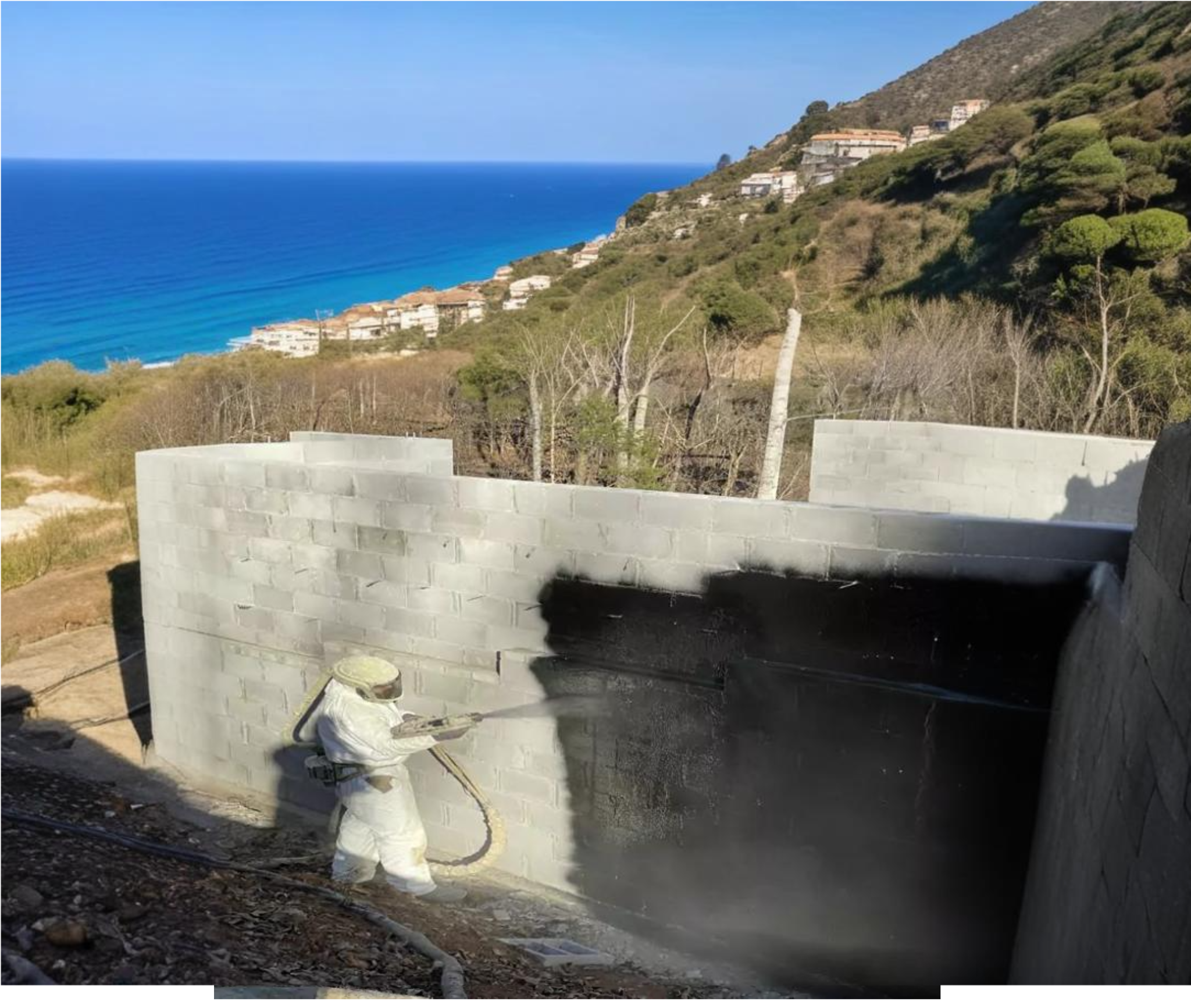
The techniques for using these coatings are expected to improve over time, becoming more effective and accurate in their application process as technology progresses in spraying methods. This will make it possible to achieve coverage on intricate surfaces more consistently. Automated systems will likely be employed for applying these coatings to ensure uniformity and minimize mistakes. These systems are also projected to hasten the application procedure, making it easier for builders and homeowners alike.
Future advancements in foundation waterproofing are expected to incorporate materials directly into the construction process aside from just coatings—such as the adoption of permeable concrete technology as a solution for enhanced durability and structural integrity against potential water intrusion risks compared to conventional concrete methods that are prone, to cracking and leakage issues. #Permeable concrete is a choice for building foundations as it helps prevent water seepage and enhances the durability of the structures, against natural elements.
In the years ahead of us in foundation waterproofing solutions, nanotechnology is expected to have a major impact as well. Scientists and experts are working hard to create nanoparticles that can be added to materials for better performance improvements. These tiny particles can form a water layer at an extremely small scale level, making it highly challenging for water to seep through. The advancements in nanotechnology will enable the production of more efficient coatings and sealants that are thinner and lighter in weight. Resulting in cost savings and reduced environmental footprint, during the waterproofing process.
The developments in technology will enhance drainage systems around building bases, like French drains, which are effective but need regular upkeep and can get blocked easily. Smart drainage systems ahead will use advanced tech to check water levels and adjust automatically to avoid water accumulation. These systems will have sensors that sense moisture levels and trigger pumps or valves to redirect water from the foundation. Responding promptly to water seepage ensures enhanced safeguarding measures to maintain the integrity and dryness of building foundations.
With the advancement of home technology over time, it will become increasingly linked with the foundation waterproofing systems in homes.In this scenario homeowners will have the ability to keep track of their foundation and waterproofing systems using applications or home automation technology alerts will be sent through these platforms if any problems are detected, like higher moisture levels or indications of leaks.Being able to identify issues early allows homeowners to address them promptly preventing damage and maintaining a secure and dry foundation.
There are additional factors that will influence the future of foundation waterproofing. With a shift towards sustainability taking center stage in the industry waterproofing materials are set to evolve incorporating eco elements to reduce their environmental footprint. Manufacturers are gearing towards producing products with recycled materials, lowering organic compound levels, and enhancing energy efficiency during production. These conscious waterproofing alternatives aim to cater to the increasing demand, for eco responsible solutions while still ensuring the reliable protection desired by homeowners and construction professionals.
In the coming years ahead wise the incorporation of energy into base waterproofing setups might be plausible. Run detectors and pumps could be employed for overseeing drainage systems offering an eco friendly method to safeguard foundations from water harm. This strategy doesn’t just cut down on the impact of waterproofing procedures but also presents a dependable off grid remedy that can function autonomously from the primary power source.
The future of foundation waterproofing will be shaped by advancements in technology that enhance its effectiveness and sustainability and make the process more efficient well. Innovations such as self-repairing coatings and porous concrete, along with nanotechnology and intelligent drainage systems, will offer homeowners and construction professionals the means to safeguard foundations against water-related harm for a period of time. With technological advancements, waterproof foundation work is expected to improve over time. This will lead to accurate and environmentally friendly practices ensuring that houses and structures stay secure and dry even when faced with environmental adversities.