Foundation waterproofing is essential for protecting buildings from water damage. Water can weaken the structure and cause serious problems. Let’s explore different waterproofing solutions, including the benefits of polyurea.
Understanding the Importance of Foundation Waterproofing
Water can seep into the foundation through cracks or porous materials. This can lead to mold growth, structural damage, and health issues. Waterproofing the foundation prevents these problems and ensures the building remains strong and safe.
Different Foundation Waterproofing Methods
- Cementitious WaterproofingCementitious waterproofing uses cement-based products. These products create a waterproof barrier on the foundation surface. They are easy to apply and ideal for areas that do not face significant water pressure. This method is commonly used for indoor areas like bathrooms and basements.
- Liquid Waterproofing MembranesLiquid waterproofing membranes are applied as a liquid and form a seamless, flexible membrane on the foundation. They offer excellent coverage and can adapt to the shape of the surface. These membranes are suitable for both indoor and outdoor applications and can handle varying water pressures.
- Bituminous CoatingBituminous coating involves applying a bitumen-based substance to the foundation. This coating provides a strong barrier against water. It is durable and can withstand harsh conditions. However, it can become brittle over time and may require maintenance.
- Sheet MembranesSheet membranes are pre-formed sheets that are applied to the foundation surface. These sheets provide a consistent thickness and are highly effective at blocking water. They are often used in areas with high water pressure and are known for their durability.
- Bentonite WaterproofingBentonite waterproofing uses a clay-based material that swells when it comes into contact with water. This swelling creates a seal that prevents water from entering the foundation. Bentonite is often used in areas with fluctuating water tables and provides a reliable waterproofing solution.
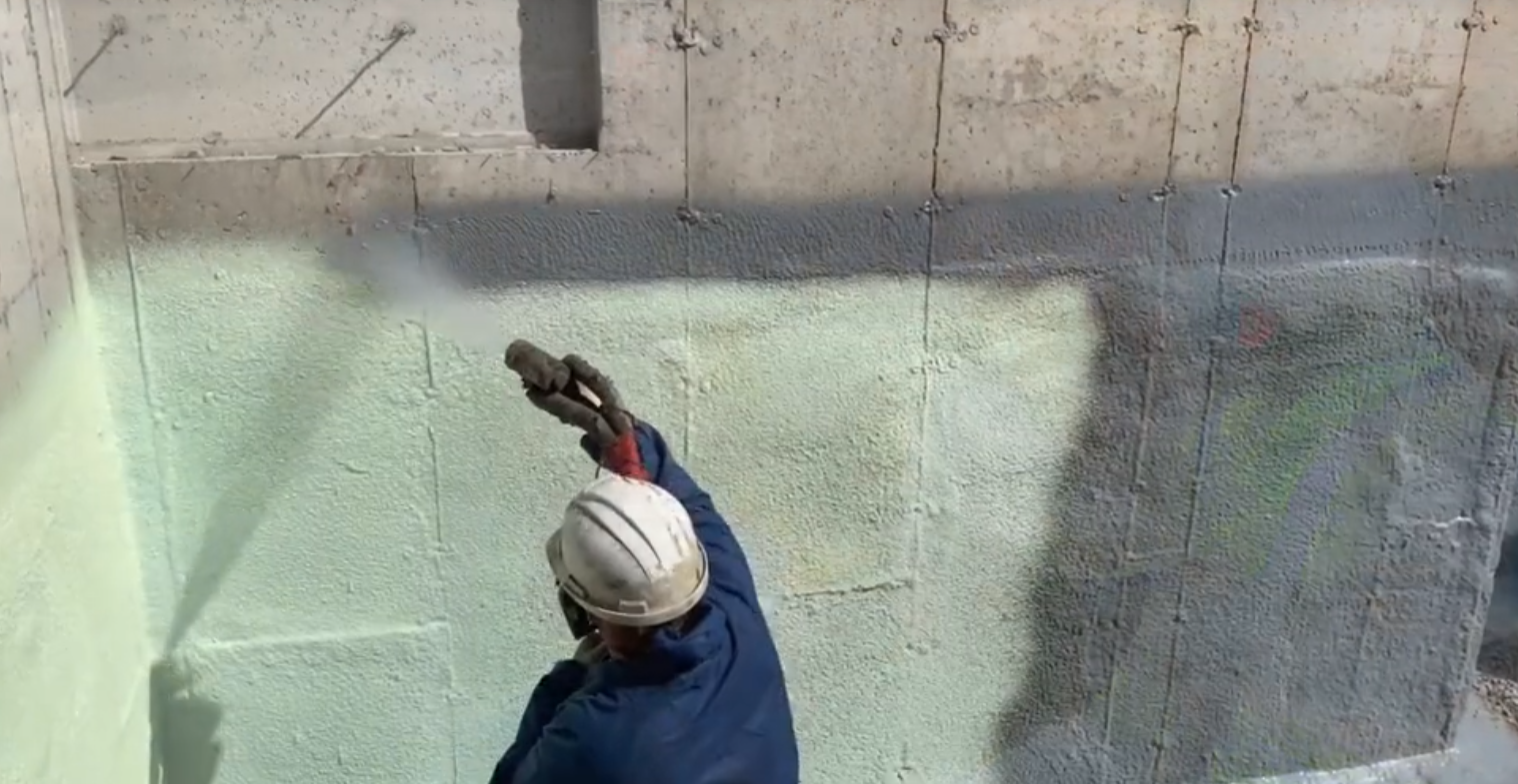
- Polyurea CoatingsPolyurea coatings offer superior protection for foundations. They form a seamless, flexible, and durable barrier that can withstand harsh environmental conditions. Polyurea is applied using a spray system, which ensures even coverage and quick application.
Why Polyurea is Leading in Foundation Waterproofing
- DurabilityPolyurea coatings are incredibly durable. They resist wear and tear, chemicals, and extreme temperatures. This makes them ideal for protecting foundations from various environmental factors.
- FlexibilityPolyurea is highly flexible, allowing it to move with the building structure. This flexibility prevents cracks from forming and ensures the waterproof barrier remains intact, even as the foundation settles or shifts.
- Quick ApplicationPolyurea coatings cure quickly, reducing the time required for application. This quick curing process minimizes disruption to the building process and allows for faster project completion.
- Seamless CoverageWhen applied, polyurea forms a seamless barrier that eliminates weak points where water can penetrate. This seamless nature ensures comprehensive protection for the foundation.
- Environmental ResistancePolyurea can withstand harsh environmental conditions, including UV rays and chemicals. This resistance ensures the coating remains effective and intact over time, providing long-lasting protection for the foundation.
Steps for Applying Foundation Waterproofing
- Surface PreparationProper surface preparation is crucial for effective waterproofing. Clean the foundation surface to remove dirt, debris, and any loose materials. Repair any cracks or damage to ensure a smooth and even surface.
- Choosing the Right Waterproofing MethodSelect the appropriate waterproofing method based on the building’s needs and environmental conditions. Consider factors such as water pressure, climate, and the type of foundation.
- Applying the Waterproofing MaterialFollow the manufacturer’s instructions for applying the chosen waterproofing material. Ensure even coverage and pay special attention to corners and joints, as these areas are more prone to water infiltration.
- Inspection and MaintenanceAfter applying the waterproofing material, inspect the foundation to ensure complete coverage and proper application. Regularly check the foundation for signs of wear or damage and perform maintenance as needed to keep the waterproof barrier effective.
Benefits of Foundation Waterproofing
- Prevents Water DamageWaterproofing the foundation prevents water from seeping into the building, protecting it from structural damage, mold growth, and other water-related issues.
- Increases Building LifespanA well-protected foundation ensures the building remains strong and stable for many years. This increases the overall lifespan of the structure and reduces the need for costly repairs.
- Improves Indoor Air QualityBy preventing water infiltration and mold growth, foundation waterproofing helps maintain healthy indoor air quality. This is especially important for basements and other below-ground areas.
- Enhances Property ValueA building with a well-protected foundation is more attractive to potential buyers. Foundation waterproofing can enhance property value and provide peace of mind for property owners.
Conclusion
Foundation waterproofing is a critical step in protecting buildings from water damage. Various methods, including cementitious waterproofing, liquid membranes, bituminous coatings, sheet membranes, bentonite, and polyurea coatings, offer different benefits. Polyurea stands out for its durability, flexibility, quick application, seamless coverage, and environmental resistance. Properly applied waterproofing solutions ensure a strong, stable, and long-lasting foundation, safeguarding the building and its occupants for years to come.
4o