A solid base makes the structure stable but water attacks its durability. The soil will shift, hydrostatic pressure will build up and water will seep into the concrete. Without protection, foundations crack and weaken and let water in. There are different methods of waterproofing and each has its advantages and disadvantages. Some of them depend on the application of coatings while others make use of the drainage systems. The choice of an approach is depending on climate, soil type and construction materials used.
The importance of Waterproofing in the durability of Foundation
Concrete is shown to be solid but it is porous. Over time this moisture causes expansion, contraction and degradation. The problem is worsened by cold weather because water that is trapped will freeze and expand. In order to avoid problems such as leaks, mold growth and structural weaknesses, basements and crawl spaces need to be waterproofed.
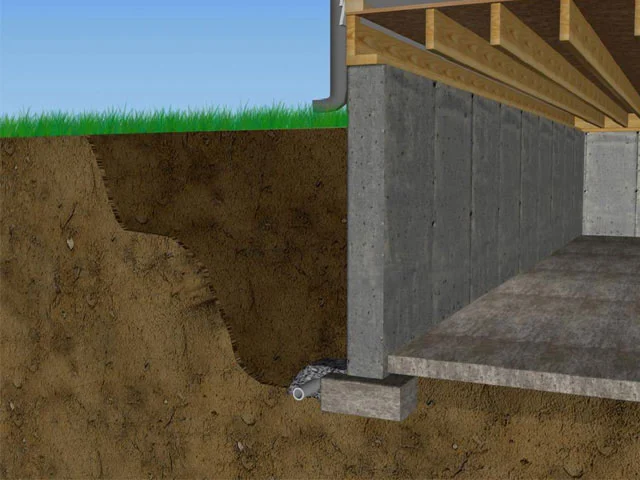
The conventional approaches are based on the concept of drainage. French drains and sump pumps keep water away from foundations, which reduces hydrostatic pressure. Nevertheless, these systems do not prevent moisture from penetrating concrete. A more direct solution is provided by coatings and membranes that create a barrier on the surface of the substrate to prevent water penetration.
Asphalt based waterproofing systems and their limitations
Men have been using asphalt based coatings for several years. These materials put a layer on the surface which stops water from contacting the foundation directly. However, asphalt coatings are poor and they fade quickly. It also has a tendency to expand and contract due to changes in temperature and this leads to development of cracks. These coatings are therefore not very strong and are prone to fail when exposed to water for an extended period of time as well as soil movement.
Some of the asphalt based systems are reinforced with rubber to enhance the flexibility. These variations last longer but still need some maintenance. It is however important to note that once a crack is formed, water will be absorbed and it will spread up to the coating, which is not very effective in this case.
Interior protection: Cementitious Waterproofing
There is another option of using cementitious coatings. These materials stick to concrete, covering porosities and decreasing the permeability. This is different from asphalt because cement based coatings are more likely to peel off the structure.
These protective coatings are suitable for internal use and are used to seal basement walls and prevent small leaks. The only problem with this type of coating is that it is not very flexible. If the foundation shifts or settles, cementitious coatings will crack and allow water to get in. Also, they are not resistant to long-term water exposure and are therefore not very suitable for external use.